A useful report from a quiet neighborhood
Report what you actually checked so the next person can make a decision.
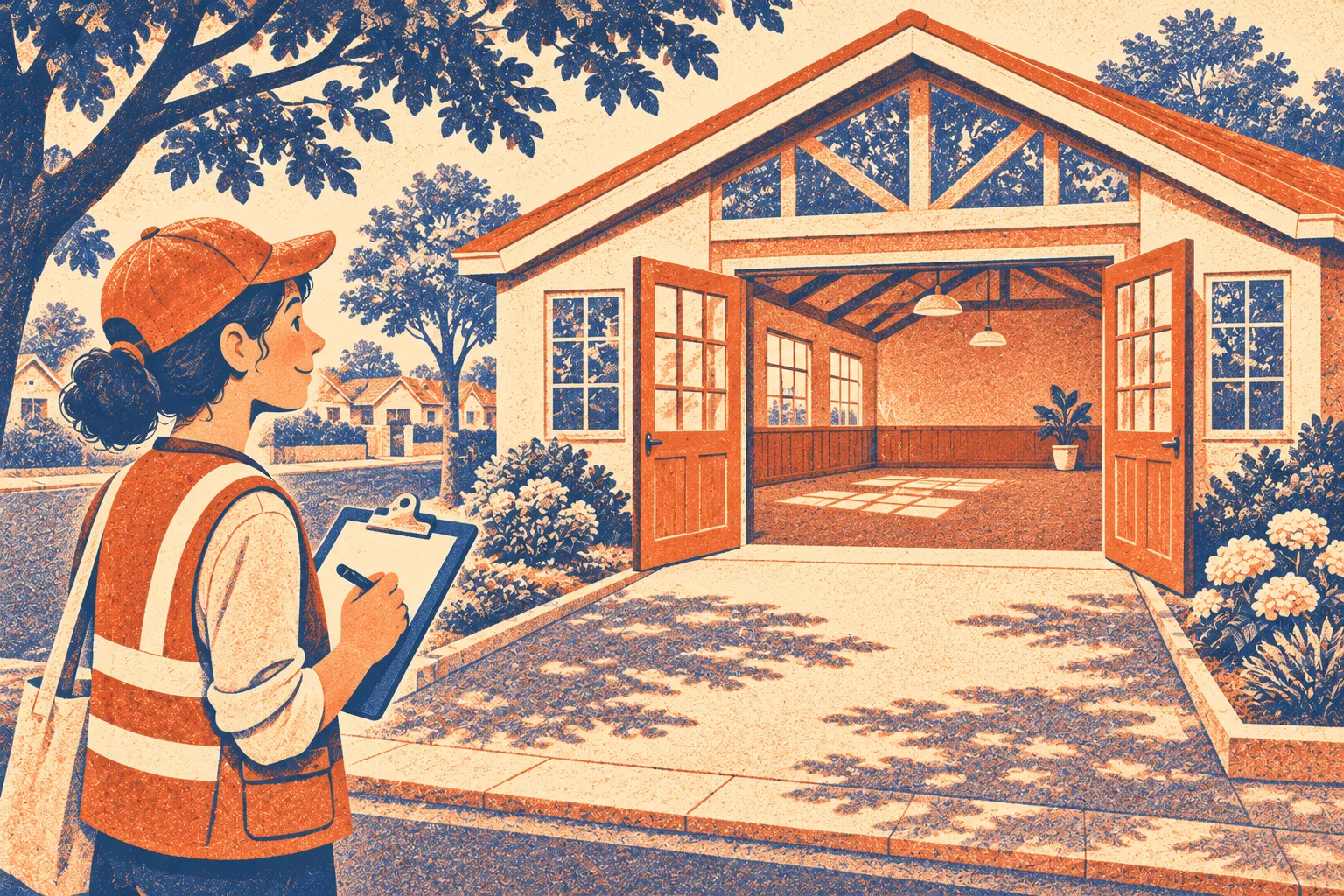
A coordinator needs to know whether volunteers can reach the hall. “All good here” sounds reassuring, but it leaves them guessing which entrances somebody checked. “Both vehicle entrances open at 6:20” gives them an observation they can act on.
Report what you checked
Give the place, time and time zone, what you observed, and what remains unknown if it matters to the decision. State whether you saw it yourself or heard it from someone else. Say whether you need a reply or action. Report from places you can safely observe, and follow official instructions during an incident. County emergency management
Tx/Rx
“Exercise report O-20. Oak Hall north and south vehicle entrances were open at 6:20 p.m. Mountain time. I observed both from Cedar Street. Parking lot condition unconfirmed. No action requested. Next check-in at seven.”
If the coordinator needs to direct a vehicle, ask them to read back the usable entrance and the observation time. If a new report supersedes it, reference O-20 and say what changed. This gives the log keeper a way to connect both observations. Three handoffs
Transmit
Have two people observe different parts of a familiar site or work from two fictional observation cards. Each sends a 20-second report. The listener writes down what they can confirm and what remains open. Compare the log with the observations and see if it answers one real coordination question, such as which entrance to use.